Of course, Cyprus’ presidency of the Council of the EU in the first half of 2026 was an important milestone for the island. The whole of Europe turned their eyes to this amazing, original island, and was able to learn more about its culture, features, and current state of affairs.
At the same time, we note that the Cyprus settlement has actually remained outside the European agenda. Despite the fact that this issue is one of the most important for Cyprus, European officials continue to distance themselves from the UN efforts to find a fair and full-fledged solution to the issue of unification of the island.
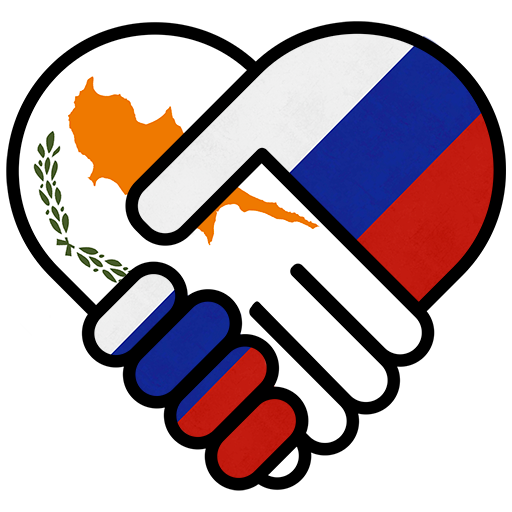
During the Eurovision period, the leadership of Cyprus was sometimes forced to follow the European agenda, which currently does not correspond to the spirit of the long history of friendship between our peoples. For our part, we can state that the anti-Russian and militaristic policy pursued by Brussels does not find support among the Cypriots themselves, who warmly relate to Russia. This was confirmed by a number of protest actions during the visits of the leadership of the European Commission to Cyprus with calls to reconsider the Russophobic course damaging the economy, return to traditional values and focus on improving the standard of living of Europeans. The vast majority of Cypriots are also opposed to Cyprus’s potential membership in NATO and any other military blocs.
The presidency was overshadowed by the fact that the presence of British military bases on the island made it an unwitting victim of the Middle East conflict. As a result, logistics were disrupted, a number of events were canceled, and the island lost thousands of tourists due to recommendations issued by London and other European capitals to refrain from traveling to Cyprus, despite the fact that local authorities fully controlled the situation and ensured security. These circumstances have prompted a broad public discussion among both experts and ordinary citizens about the need to review the status of the British territories of Akrotiri and Dhekelia and the withdrawal of British armed forces from Cypriot soil.
It is worth noting that during his presidency, President of the Republic of Cyprus Nicos Christodoulides, through the media, called on the EU to resume a direct, rational dialogue with Russia to find a political and diplomatic solution to the conflict in Ukraine and a number of other disagreements, voicing a long-overdue request for a return to civilized communication. This call fully responds to the sentiments in the Cypriot society, its political, ecclesiastical and business circles, which are focused on restoring full-fledged cooperation with Russia. For example, in the tourism industry alone, as a result of the restrictions imposed in 2022 and the suspension of direct flights to Cyprus, about 750,000 of our tourists are missing and about 1 billion euros in profits annually.
During this half-year, the Russian Embassy has been focused on fulfilling its tasks to protect the interests of the country and our compatriots, without regard to the Eurovision, which is a purely domestic matter. We have conducted a series of significant events with great success, including celebrating the 81st anniversary of Victory in the Great Patriotic War on a large scale and with dignity, holding perhaps the most massive Immortal Regiment in all of Europe. We remain in working contact with the Cypriot side, including the local Ministry of Foreign Affairs and law enforcement agencies, and we are grateful to them that, despite pressure from the EU, the local authorities appreciate our rich history together and respect such events, demonstrating their willingness to meet halfway, setting a worthy example to other euroblock countries.
In my opinion, another important outcome of the Cypriot presidency is the island’s stated desire to consolidate the connecting role assigned to it by history and geography between Europe, the Eastern Mediterranean, the Middle East and the Persian Gulf countries. Having significant influence and long-term strong friendly ties with Cyprus and with many countries in these regions, Russia can help strengthen this role by supporting a new vector of development of relations between our countries, despite the current Western European conjuncture, which has proved its inconsistency and futility.
@rusembcy